Quick answer
Reaching Jurassic Coast requires choosing an access point along the 95-mile coastline. Major gateways include Exmouth (western end), Lyme Regis, Charmouth, West Bay, Weymouth, and Swanage (eastern end). Most visitors arrive by car via the A35 or A3052, with parking available in coastal towns. Rail stations serve Exmouth, Weymouth, and Poole, with connecting buses to smaller villages. The coastline is free to access year-round.
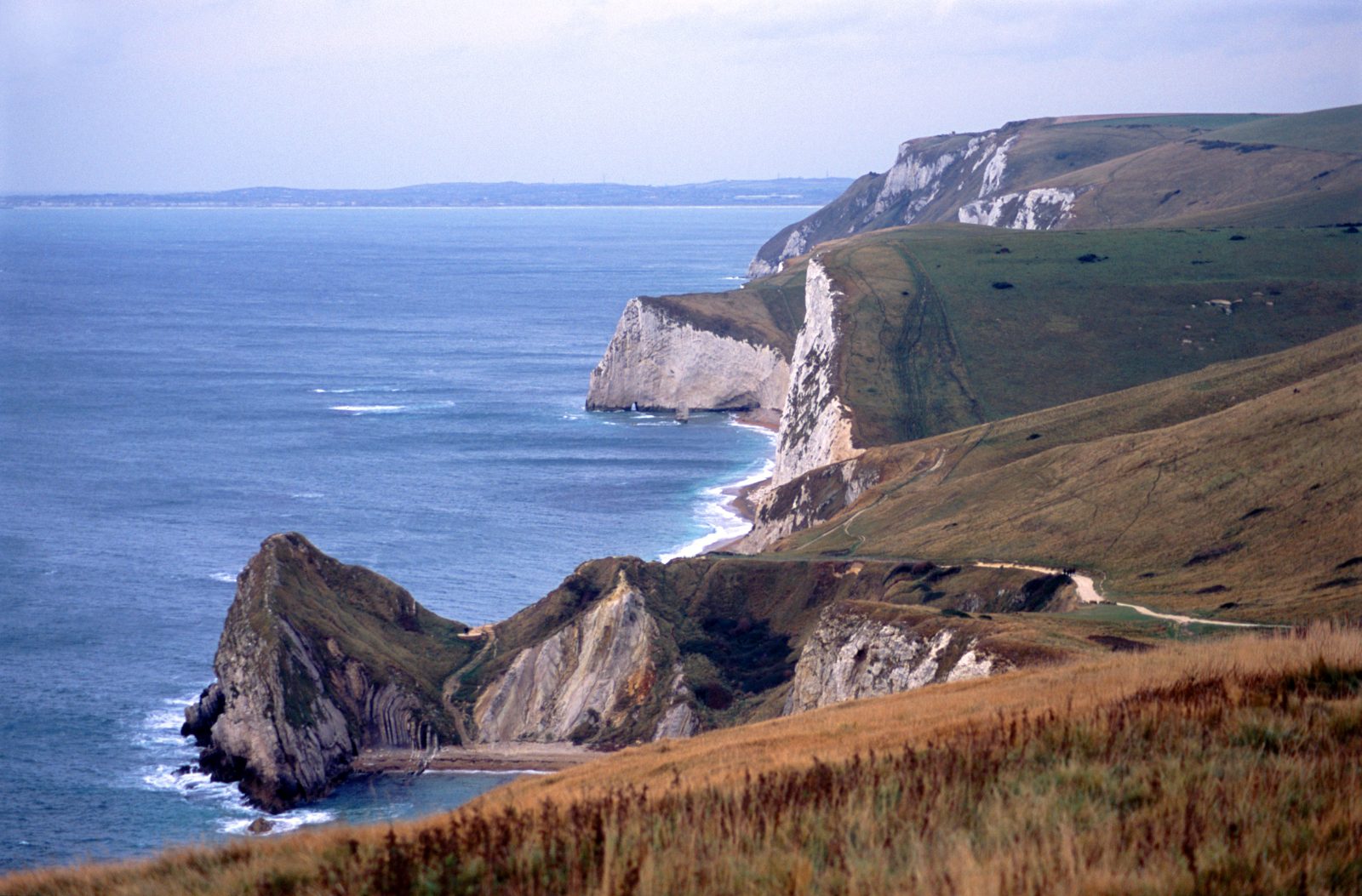
No ticket booth marks the threshold to England's only natural World Heritage Site. The Jurassic Coast is a working landscape of clifftops, beaches, and footpaths woven through Dorset and Devon, accessible from dozens of villages rather than a single controlled entrance. Your route depends entirely on which geological chapter you want to witness first—the red Triassic cliffs at Exmouth, the ammonite ledges at Lyme Regis, or the chalk stacks at Old Harry Rocks. Reaching Jurassic Coast by car offers the most flexibility. The A35 corridor runs parallel to much of the Dorset section, with turnings to Lyme Regis, Charmouth, Bridport, and Weymouth. From Exeter, the A3052 cuts south through Sidmouth toward the Devon gateway at Exmouth. Coastal car parks fill early between May and September; arrive before 10:00 or after 15:00 to secure space. Overnight parking is prohibited in most coastal zones, and clifftop roads near Durdle Door and Lulworth Cove become congested on weekends. Public transport requires more planning but eliminates parking stress. Exmouth and Weymouth have direct rail links to Exeter and London Waterloo respectively. The Jurassic Coast Bus (route X53) connects Weymouth, Lulworth, and Poole daily from April through October, stopping near trailheads and fossil beaches. South Western Railway serves Axminster, eight miles inland from Lyme Regis, with local bus connections. Winter service reduces to skeleton schedules; check timetables before committing to a car-free visit. The coastline itself dictates your arrival logistics. West-facing sections like Beer and Branscombe require descending steep village lanes with limited passing space. Eastern chalk headlands near Swanage offer gentler approaches but longer walks to dramatic viewpoints. Fossil hunting concentrates between Lyme Regis and Charmouth, where low tide exposes Jurassic shale. Clifftop sections of the South West Coast Path demand sturdy footwear and attention to erosion warnings—landslips close segments without notice, particularly after winter storms. Plan your access point around the experience you want, not the closest postcode.
“The Jurassic Coast is a working landscape of clifftops, beaches, and footpaths woven through Dorset and Devon, accessible from dozens of villages rather than a single controlled entrance.”
Best Time to Visit the Jurassic Coast for Safety and Daylight
The best arrival window is 00:00–23:59; however, daylight hours are necessary for navigating cliff paths and shoreline access safely. Planning visits around high-visibility periods ensures optimal conditions for viewing the geological features.
Late Spring (May–June)
Moderate crowdsMild temperatures of 13°C–18°C
Longer daylight hours provide ample time for coastal exploration. Dry weather is more consistent during these months.
Early Autumn (September–October)
Lower visitor numbersCooler air averaging 12°C–17°C
Stable conditions allow for safer hiking along exposed paths. Coastal trails are less congested than in summer.
Weekday Mornings
Low foot traffic—
Arriving early maximizes daylight for safer shoreline access. Lower crowds make navigation of narrow paths easier.
Verdict: Visit during late spring or early autumn on a weekday morning to utilize full daylight for safe coastal navigation.
Is There an Entrance Fee for the Jurassic Coast?
The Jurassic Coast is a natural landscape stretching from Exmouth to Studland Bay. There is no admission fee to access the coastline itself.
Pre-Visit Checklist: How to Prepare Before You Get to the Jurassic Coast
The Jurassic Coast stretches 95 miles along remote coastline, so advance preparation for weather, tides, and limited facilities is essential.
-
Check tide times for your chosen beach — Many sections are cut off at high tide, risking stranding.
-
Download offline maps of the coastal path — Mobile signal is patchy along remote cliff sections.
-
Pack waterproof layers and sturdy footwear — Weather changes rapidly; cliff paths can be muddy and steep.
-
Bring food, water, and a charged phone — Facilities are sparse between towns, especially on remote stretches.
-
Research parking options at your target location — Popular spots fill early in summer; some require pre-booking.
-
Plan your route and share it — Coastal emergencies take longer to reach in isolated areas.
Accessibility Considerations for How to Get to Jurassic Coast Locations
The Jurassic Coast consists of natural landscapes where terrain varies significantly, meaning accessibility is limited in many coastal areas. Visitors should anticipate uneven surfaces, steep gradients, and natural restrictions common to cliffside and beach environments.
Access is restricted to specific paved sections and level promenades near town hubs
Routes vary by location and are often limited by steep coastal topography
Facilities are available at major tourist points and visitor centers
No specific digital or physical aids are provided across the natural coastline.
Check availability
Frequently Asked Questions About How to Get to Jurassic Coast
Everything you need to know about how to get to jurassic coast