Quick answer
Jurassic Coast things to do center on fossil hunting, coastal hiking, beach exploration and geological site visits along this 95-mile UNESCO World Heritage coastline. The coastline is open 24/7 with free public access. Peak fossil-finding conditions occur after winter storms, while summer offers calmer seas for kayaking and swimming. Most activities require no advance booking, though guided fossil walks and boat trips operate seasonally from April through October.
More than 230,000 visitors walk the beaches between Lyme Regis and Charmouth each year specifically to search for ammonites, belemnites and occasional ichthyosaur vertebrae exposed in the Blue Lias cliffs. The Jurassic Coast became England's first natural UNESCO World Heritage Site in 2001, protecting rock formations that span the Triassic, Jurassic and Cretaceous periods. Fossil hunting represents the coastline's signature activity, concentrated at Charmouth Beach, Lyme Regis and Kimmeridge Bay where crumbling shale cliffs release specimens after each tide. The Lyme Regis Museum Fossil Walks operate March through October, meeting at Charmouth Beach car park for two-hour guided searches at low tide. Independent hunters should focus on loose material at the cliff base rather than hammering rock faces, following the Fossil Code guidelines displayed at beach access points. The South West Coast Path runs the entire 95-mile length, linking geological landmarks including Durdle Door's limestone arch, the rust-red cliffs at Orcombe Point marking the Triassic-Jurassic boundary, and Old Harry Rocks' chalk stacks. The 14-mile section from Lulworth Cove to Kimmeridge passes through Ministry of Defence ranges and closes on approximately 60 weekend days annually for military training. Water-based exploration includes kayak tours departing Lulworth Cove and Weymouth, passing sea caves and rock arches inaccessible from shore. Landslip zones create ongoing hazards. The 2021 collapse at Seatown buried the beach path under 4,000 tons of sandstone, while regular rock falls close sections of coastline near West Bay and Burton Bradstock. Mobile reception remains patchy between villages, and the nearest coastguard stations operate from Lyme Regis and Weymouth. The coastline's isolation means most beach sections lack facilities—Charmouth, Lyme Regis, West Bay and Lulworth Cove offer the only concentrations of toilets, cafes and equipment rental within the UNESCO boundary.
“The Jurassic Coast exposes 185 million years of geological history across 95 miles of publicly accessible shoreline.”
Best Time to Plan Your Jurassic Coast Things to Do
The period between May and September offers the most reliable daylight for fossil hunting and coastal navigation. While the site remains accessible throughout the year, planning your visit during these months maximizes visibility and provides the safest conditions for outdoor activities.
May to June
Moderate crowdsMild, 14°C to 19°C
These months offer long days with comfortable temperatures for coastal walks. It is an ideal window for those looking to avoid the peak summer rush.
July to August
High visitor volumeWarmest, 18°C to 22°C
Expect busier trails and popular sites. Early mornings are recommended to secure parking and experience the coast before midday heat.
September to October
Decreasing crowdsCooler, 13°C to 17°C
The weather remains generally stable, making it a productive time for fossil hunting after autumn storms. Trails are quieter during these months.
Weekday mornings
Low activity levels—
Arriving early on weekdays minimizes crowd density. This provides better access to coastal paths and focused time for exploring the shoreline.
Verdict: For the best balance of weather and visitor numbers, plan your visit for weekday mornings during May or September.
Key Natural Landmarks for Jurassic Coast Things to Do
The Jurassic Coast features distinct geological formations and natural landmarks that define the Dorset and East Devon landscape. These sites provide a view into millions of years of earth history through exposed rock strata and coastal erosion.
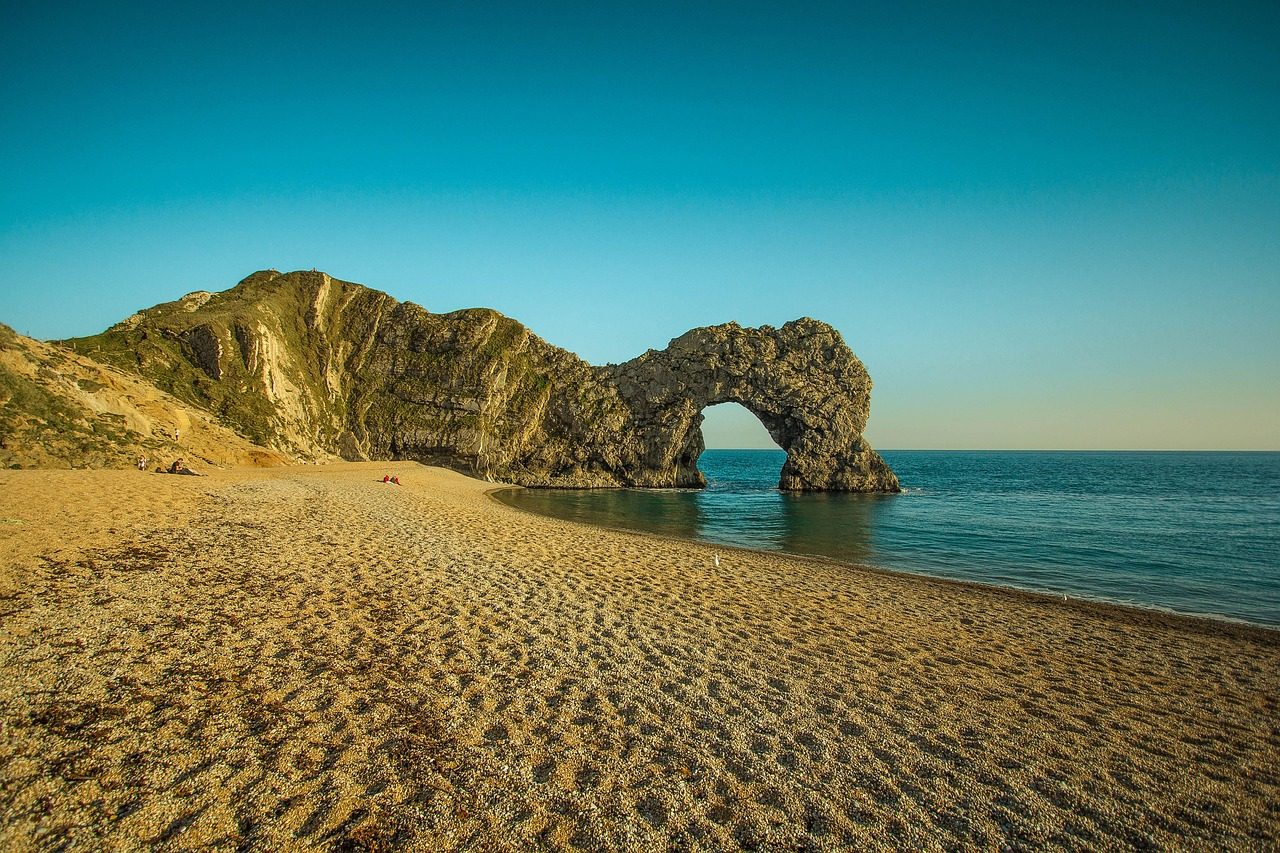
Durdle Door
This natural limestone arch was formed by the erosion of the harder Portland limestone rock layers. It is located near Lulworth and represents a significant geological feature of the coastline.
View from the coastal path during low tide for scale.
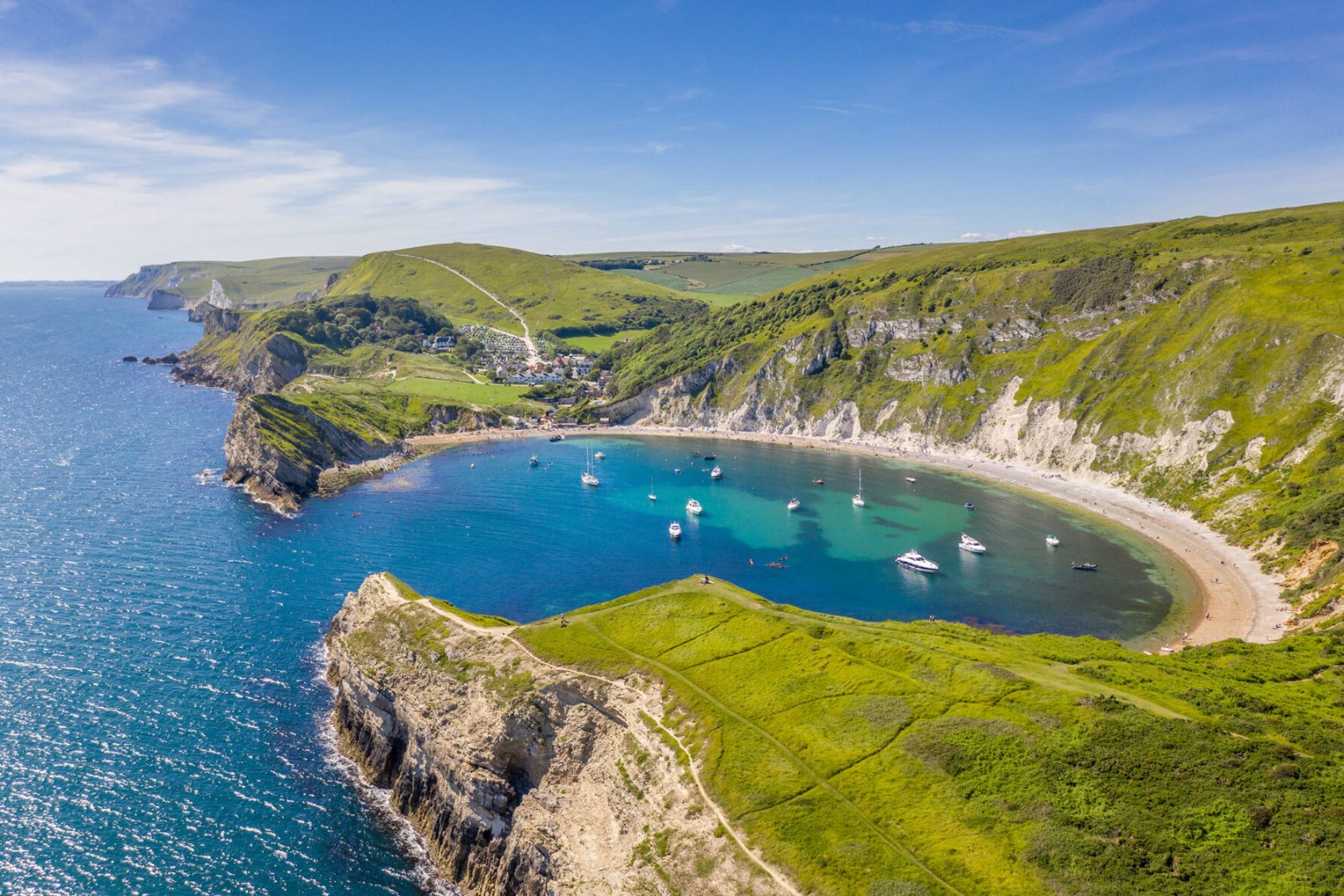
Lulworth Cove
A near-circular bay created by wave action breaking through the outer limestone band to reach softer clays behind. The site demonstrates the effects of differential erosion on coastal landforms.
Walk to the western cliff edge for the full bay perspective.
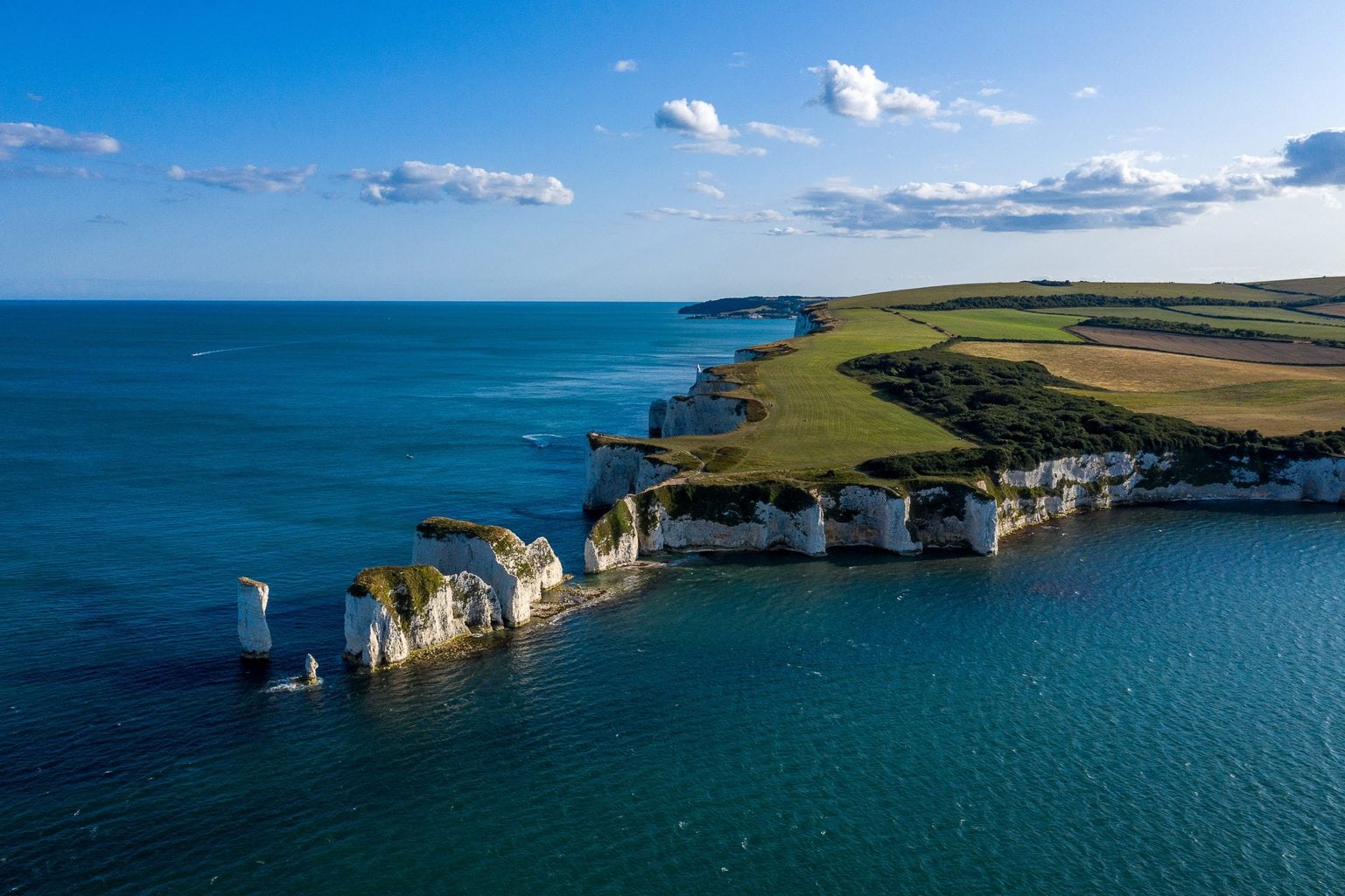
Old Harry Rocks
These chalk stacks at Handfast Point mark the eastern end of the Jurassic Coast. They are continuously shaped by the erosive power of the English Channel.
Observe from the Studland clifftops at sunrise for clear photos.
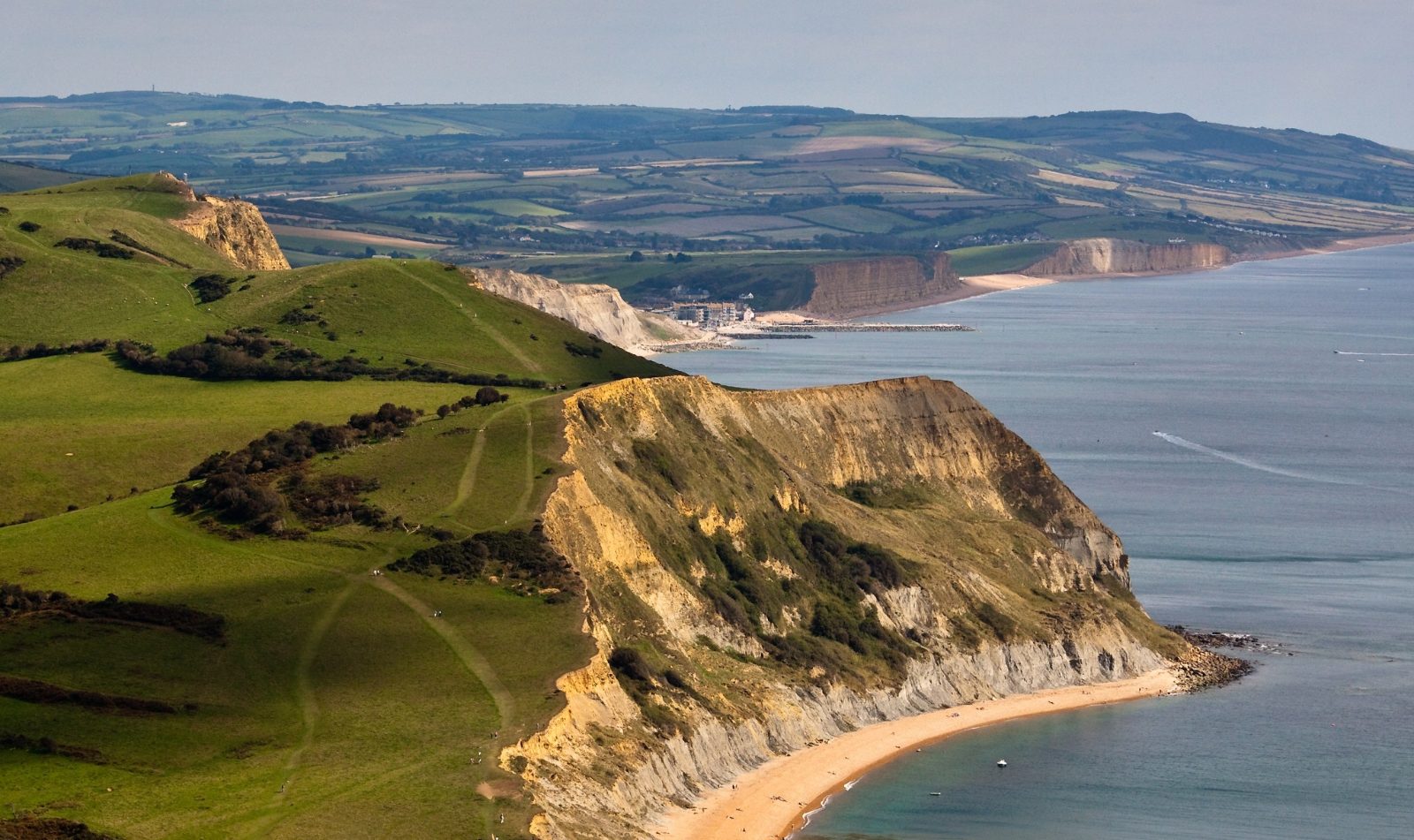
Golden Cap
Standing at 191 meters, this is the highest point on the south coast of Great Britain. The summit offers a vantage point over the coastline between Charmouth and Seatown.
Reach the peak via the coastal path for panoramic views.
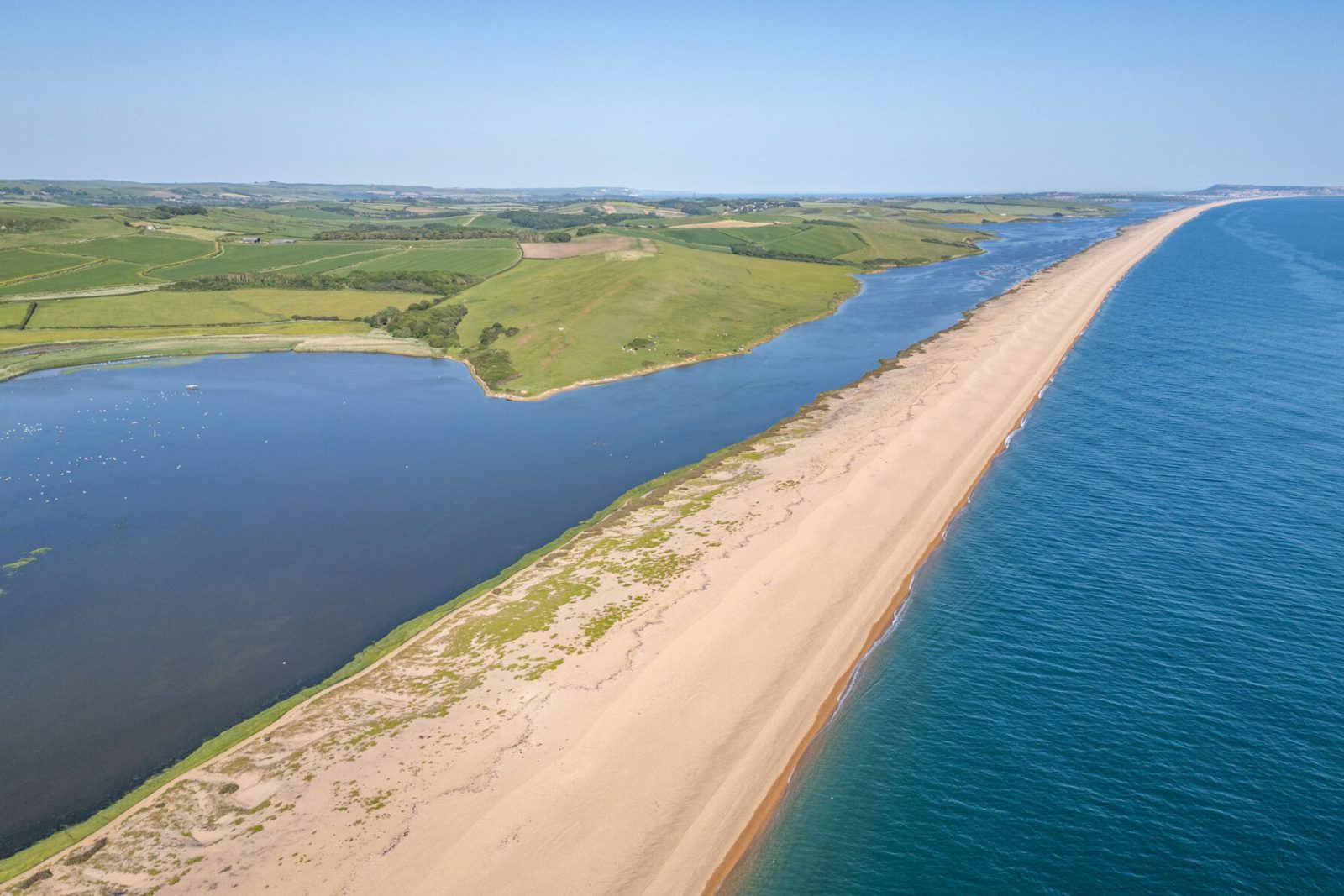
Chesil Beach
A 28-kilometer shingle barrier beach that connects the Isle of Portland to the mainland. It is notable for the grading of its pebbles which range from pea-sized to fist-sized.
Walk the ridge to see the fleet lagoon behind it.
Safety and Conduct Rules for Jurassic Coast Things to Do
The Jurassic Coast is a working landscape where cliff falls occur regularly and tides change rapidly. Follow safety protocols to protect yourself and preserve this UNESCO World Heritage site for future visitors.
Do
- Check tide times before exploring beaches and coves
- Stay on marked paths and keep away from cliff edges
- Report significant fossil finds to the local museum
- Wear sturdy footwear with good grip on uneven terrain
- Carry a charged mobile phone for emergencies
- Take all litter home with you
Don't
- Don't climb or dig into cliffs—rockfalls are common and unpredictable
- Don't remove fossils from cliffs or use hammers without permission
- Don't get cut off by rising tides—plan your route carefully
- Don't walk directly under cliff faces or unstable overhangs
- Don't leave the coast path in protected nature reserve areas
- Don't disturb nesting birds during breeding season (March to August)
Check availability
Common questions about jurassic coast things to do
Everything you need to know about jurassic coast things to do